05 Sep 2025

Understanding lessee vs. lessor is crucial for anyone dealing with property rentals or lease contracts. We at LeaseRunner understand that knowing the difference between a lessor and a lessee avoids confusion, legal issues, and financial loss. This type of agreement is implemented based on the understanding that the seller will immediately lease back the asset from the buyer, subject to an agreed payment rate and period of payment. The buyer in this type of transaction may be a leasing company, finance company, insurance company, individual investor, or institutional investor.

A lessor is a person or legal entity that owns a property and rents it out to a lessee, who in turn pays the lessor to use the asset (such as live in their property). For the duration of the lease period, the lessee is responsible for taking care of the asset and conducting regular maintenance as necessary. If the subject of the lease is an apartment, the lessee must not make any structural changes without the permission of the lessor. Any damages to the property must be repaired before the expiry of the contract. If the lessee fails to make needed repairs or replace any broken fixtures, the lessor has the right to charge the amount of the repairs to the lessee as per the lease agreement. In June 2007, YouTube began trials of a system for automatic detection of uploaded videos that infringe copyright.

For instance, the lessor indicates whether or not pets can be kept and whether or not smoking is permitted. The lessee should read the lease, agree to the terms, and sign. For instance, if the lease stipulates that rent should be paid on the first day of every month, the lessee should do so.

Who Is the Lessor in a Lease Agreement?

The fundamental obligation of the lessee is to make prompt payment of rent and abide by the terms of the lease. The lessor is the legal owner of the property and retains title to the asset, home, or apartment. As an example, if you rent a home, then the landlord is the lessor but still the legal owner while you occupy it. For instance, if you rent a flat, the lessor is the owner or company of the building that rents it to you. The lessor has the legal title of the property and can lease it to someone else. This guide clarifies the key differences in various asset agreements.

Stay Updated With LeaseRunner

  • It must detail notice periods and penalty terms for ending the lease early.
  • The agreement between lessor and lessee should also outline who repairs what.
  • Below is a break down of subject weightings in the FMVA® financial analyst program.
  • Knowing what non-lessee entails prevents confusion and legal conflicts in any lessor and lessee relationship.

The company maintains the building and ensures compliance with safety codes. If the repairs are to be conducted by the lessor, then they must provide at least 24 hours’ notice prior to entry. Should the lessor break in and enter without notice, then the lessee may complain or seek compensation. The primary responsibility of the lessor is to take care of the property and obey all the laws. For instance, if a plumbing problem occurs, the lessor has to organize repairs immediately. In all lessor and lessee contracts, these duties are enumerated clearly in order to prevent misunderstandings.

Contents

For instance, the lessor cannot enter the flat at all without appropriate notice, except in an emergency. When the tenant is late in paying rent, the lessor must serve legal notices and perform the proper procedures before beginning the eviction. It is the lessor’s duty to facilitate access to the lessee on the move-in date set. An example is if the lease begins on June 1, the lessor should be ready to make keys available and set up the unit for the lessee. The lessor drafts the lease, lays down the terms, and ensures that the agreement meets the state and local requirements.

Realizați acțiuni în această aplicație folosindu-vă doar vocea.

Lessor and owner both contain the letter O, so it should not be much trouble to remember that a lessor is the owner of a property. I will also outline a helpful memory tool that you can use to decide whether lessee or lessor better describes the party to whom you refer. The developer, Google, indicated that the app’s privacy practices may include handling of data as described below.

  • This article will assist you in drawing more effective lease agreements and safeguarding your interests if you are a tenant, first-time landlord, experienced landowner, or property manager.
  • For example, the lease of land to set up a manufacturing plant may be for a longer period than the lease of equipment or a vehicle.
  • Lessee is one of the rare cases where a word’s path from its origin to its current meaning is refreshingly clear.
  • If you ever find yourself stuck choosing lessor or lessee in your next piece of writing, you can check back with this article for a refresher.
  • A good lease must always contain who the lessee is, who the occupant is, and what both of them must do.
  • This article provides all the lessee and lessor definition, their position in a lease, legal responsibilities, the most common pitfalls, and real-life examples.

For instance, in commercial leasing, a company (lessee) leases space in an office building from a building owner (lessor). The company can occupy the office, but cannot sell the office or make any significant changes to the property. In the real estate context, the lessor is also commonly referred to as the landlord.

The lessor is always the owner or authorized agent who grants the right to use the property. A property manager acts as an agent for the lessor but does not own the property. The lessor keeps all legal obligations, even if a manager handles daily tasks.

CFI is the global institution behind the financial modeling and valuation analyst FMVA® Designation. CFI is on a mission to enable anyone to be a great financial analyst and have a great career path. In order to help you advance your career, CFI has compiled many resources to assist you along the path. If you ever find yourself stuck choosing lessor or lessee in your next piece of writing, you can check back with this article for a refresher. In this article, I will compare lessee vs. lessor and use each of these terms in a few example sentences.

He must also be compensated for any losses incurred during the contract due to damage or misuse of the asset in question. If the asset is sold, the lessor must authorize such a transaction and is entitled to receive any financial gains resulting from the sale. At LeaseRunner, we help landlords and tenants create strong, legal lease agreements that protect everyone’s interests. Whether you’re renting out your first home or signing a new lease, knowing the difference between lessee and lessor ensures a smooth, stress-free rental experience. For a lessor, the main advantage of entering into a lease agreement is that they retain ownership of the property while generating a return on their invested capital.

Lessor: Definition, Types, vs. Landlord and Lessee

For the lessee, periodic payments may be easier to finance than the total purchase price of the property. The lessee may also not want the responsibility of owning the asset. For example, if the lessee conducts illegal activities on the premises of the lessor, the latter holds the right to cancel the contract and evict the lessee from the property. Some lease agreements include the option of the lessee buying the leased asset or property at the end of the lease period.

Crucially, the lessor holds a dominant role in defining the initial terms and conditions of the lease agreement, as they own the property and set the rules for its use. In many parts of the country, property values are rising so quickly that even successful professionals are not financially able to invest in real estate. These conditions have led to a trend that sees a larger percentage of working adults and families renting, rather than owning. Modern lease accounting tools simplify this process by automating lease tracking, generating accurate reports, and ensuring compliance. By leveraging technology, both lessees and lessors save time, reduce risk, and strengthen operational efficiency. Even experienced professionals sometimes misunderstand the lessee and lessor roles.

Each lessor has significant legal responsibilities to maintain a property under lease valid and equitable manner. A knowledge of these landlords vs tenants’ responsibilities averts controversies and safeguards both sides of the lessor and lessee relationship. The lessee can use and occupy the property but never owns the property.

Accounting and risk responsibilities differ depending on lease type and applicable standards. This obligation is a primary component who is the lessor and who is the lessee of all lessor and lessee contracts. It is important to know what distinguishes a lessee and a lessor to achieve a successful lease agreement. This is an in-depth examination of what distinguishes them in each lessor and lessee agreement. A lessor is a person or organization that possesses an asset or property and gives another person the right to use it for a specified period of time, in return for some type of compensation.

Playables

Vehicle leases are another common example, allowing individuals to use a car without purchasing it outright. Even intellectual property, such as software licenses, can involve a similar dynamic where the licensee (lessee) gains usage rights from the licensor (lessor). A lessee is the person or legal entity who is leasing the asset provided by the lessor.

Always define who the lessor is and who the lessee is in the agreement. When the lessee is late in paying, the lessor can impose a late charge or eject. If repeatedly late in a worst-case scenario, the lessor can terminate the lease prematurely. That is why it is very crucial to understand who the lessee under a lease agreement is, because only the lessee is responsible for paying rent.

This makes the property secure and encourages everyone to abide by the landlord-tenant laws. The most fundamental duty of the lessee is making rent payments on time and in full. For instance, if the lease indicates that rent has to be made on the first of each month, the lessee should see to it that it is delivered before then. All the lessees have explicit duties and entitlements in a lessee and lessor contract. Being aware of them prevents issues and maintains the rental relationship functioning smoothly.

The lessee’s primary role involves using or occupying the asset according to the agreed-upon terms. For example, a tenant living in a rental apartment is a lessee, as is a person who leases a car from a dealership. The lessee does not own the asset but possesses the right to use it for a specified period.

YouTube has had unprecedented social impact, influencing popular culture, internet trends, and creating multimillionaire celebrities. Leasing offers flexibility and income opportunities, but also brings risks and responsibilities. Knowing the benefits and challenges helps both lessees and lessors manage assets and compliance effectively. Lease agreements carry important accounting and compliance responsibilities for both lessees and lessors. The startup pays rent, keeps the space clean, and follows all lease terms.

13 May 2025

what is a statement of activities

Internally, the Statement of Activities assists management Outsource Invoicing and board members in assessing financial health, identifying trends, and making informed decisions about resource allocation and program effectiveness. The change in net assets is the difference between an organization’s total revenues and its total expenses for the reporting period. This figure indicates whether the non-profit’s overall financial position has improved, declined, or remained stable over time. A positive change signifies an increase in net assets, while a negative change indicates a decrease.

what is a statement of activities

Nonprofit Revenue Sources: Startup Series

what is a statement of activities

Extraordinary items are transactions or other events that are both unusual in nature and infrequent in occurrence. They are also not within control of management (e.g., environmental or natural disasters, etc.). However, transactions which are unusual and infrequent but within control of management should be also reported as extraordinary items. Aplos has everything you need in one place for streamlined nonprofit and church management. We are a virtual outsourced accounting and consulting firm based out of Tucson, Arizona. Our experienced team can help you navigate complex accounting systems & practices, from outsourced accounting to client advisory services.

Misunderstanding Donor Restrictions

This statement is analogous to an income statement for a for-profit business, but it is tailored to reflect the unique what is a statement of activities financial characteristics and objectives of non-profits. Its role is to show how an organization’s resources have changed due to its operations, contributions, and other activities. It offers stakeholders a transparent view of how the organization utilizes its funds to further its mission. The Statement of Activities is one of the four accounting documents nonprofit organizations need to compile. This financial report gives you an insight into how your nonprofit is using funding to allocate resources and to advance its mission.

  • For instance, a grant designated for a specific program must be reported as temporarily restricted until the program’s objectives are met.
  • The other thing that FASB 117 requires of nonprofit entities is reporting of expenses by functional classification.
  • The Statement of Functional Expenses showcases your commitment to transparency by detailing how donor contributions are spent.
  • It also aids in meeting audit requirements and informing stakeholders about cost allocation.
  • Your statement of cash flow captures how the functions of your organization generate and use money.

The Statement of Functional Expenses

what is a statement of activities

When you examine your nonprofit statement of activities, it should be clear that the line items in the statement match up with those in your organization’s budget. This allows your organization to make sure you’re on track with your budgeted regular expenses. The first thing you’ll want to look at when reading a nonprofit statement of activities is the net income. This will give you an idea of whether or not the organization is bringing in more money than it’s spending. A Statement of Activities shows whether an organization made a profit or a loss during a period of time. It is a financial snapshot that can be used to track the organization’s financial progress.

what is a statement of activities

Remember the power of purpose

These expenses are directly tied to the activities that fulfill the nonprofit’s mission. For example, a nonprofit focused on education might classify expenses related to curriculum development, teacher salaries, and classroom supplies under program services. This classification helps stakeholders see the direct impact of their contributions on the organization’s core activities. It also aids in evaluating the income summary effectiveness of these programs by comparing the resources allocated to them with the outcomes achieved. One of the basic financial statements you’ll prepare for your clients looks at their revenue and expenses. If you work with nonprofit entities, the difference between these two accounts is the change in net assets.

what is a statement of activities

Financial Documents for Nonprofits

  • It also allows organizations to track their progress and make necessary adjustments to achieve their financial goals.
  • A statement of activities will show your nonprofit organization’s revenue and expenses over a specific reporting period.
  • The final figure offers a snapshot of your nonprofit’s financial trajectory, guiding decisions for the next reporting period.
  • The image above demonstrates the American Red Cross’s operating revenue and gains in 2021 and in 2020.
  • The change in net assets is the difference between an organization’s total revenues and its total expenses for the reporting period.
  • Until these conditions are satisfied, the funds are recorded as liabilities rather than revenue.

By analyzing revenue streams and identifying which sources contribute most significantly to the company’s earnings, management can make informed decisions on optimizing these channels. On the other hand, in government agencies, the Statement of Activities may focus on tax revenues, intergovernmental grants, and expenditures on public services and infrastructure projects. On the other hand, administrative costs include expenses related to general management and oversight, including salaries of non-program staff, rent, utilities, and office supplies. Revenues in a Statement of Activities are earnings generated through an organization’s primary operations or fundraising efforts, serving as a crucial source of financial inflow. Are you curious about what a Statement of Activities is and why it’s important in the world of finance? In this article, we will explore the components of a Statement of Activities, such as revenues, expenses, and net income or loss.

  • Additionally, the Statement of Activities can be used to determine the sustainability of your nonprofit’s finances which guides you into making long-term informed decisions.
  • Restricted revenue is earmarked for a specific intended purpose, while unrestricted revenue can be allocated to operations, projects, and other expenses at the nonprofit’s discretion.
  • However, organizations should generate it internally more often, such as monthly or quarterly, to monitor financial performance more closely.
  • Nonprofit organizations serve in a variety of sectors, such as religious, education, health, social services, commerce, amateur sports clubs, and the arts.
  • This structure allows stakeholders to understand the sources of funding and how those funds are expended in pursuit of the organization’s objectives.

Nonprofit Statement of Activities: All You Should Know (+FAQs)

  • The statement of activities is generated directly from your organization’s accounting software as opposed to your donor management software.
  • We will not discuss the accounting which is similar to that used by for-profit businesses.
  • Essentially, it provides the nonprofit’s overall picture at a specific time- also showing the financial health of the organization.
  • It plays a vital role in providing stakeholders with a comprehensive view of how the organization’s resources were utilized to achieve its mission.
  • You must share this at the beginning of the year and the end of your financial period.
  • Tom is a multi-disciplined leader with over a decade of experience in nonprofit operations, technology leadership in government, and over two decades of servant leadership.

The P&L covers all the organization’s programmatic, fundraising, and administrative expenses incurred during the period. The statement also reports all the revenue generated during the period, regardless of the source. It reconciles the change in net assets from accrual basis to actual cash generated and used. This reconciliation helps stakeholders understand the nonprofit’s liquidity, revealing its ability to generate sufficient cash to meet its obligations and fund its activities. The Statement of Cash Flows categorizes cash activities into operating, investing, and financing sections, detailing how cash is managed.

27 Mar 2025

Celebrities often earn earnings from a selection of streams, including endorsements, royalties, and appearance fees, in addition to their major supply of income, similar to appearing or music. These additional income streams can contribute considerably to a celebrity’s overall net worth, offering them with a diverse portfolio of earnings sources. It wasn’t till the Tax Equity and Fiscal Responsibility https://accounting-services.net/ Act of 1982 that they formally grew to become discontinued in the Usa.

Gold Ira Vs Physical Gold: A Detailed Funding Comparison

These bonds are (were) issued by firms or governments and bought to investors to raise bearers bonds money. The owner of the bond certificates is the recipient of the bond’s payments and the bond worth at maturity. Whereas bearer bonds have largely disappeared in plenty of international locations because of regulatory adjustments, they’re nonetheless issued and traded in choose jurisdictions, although opportunities are restricted.

These tips have prompted many countries to implement stricter controls and reporting requirements for financial institutions coping with bearer bonds. The global push for higher transparency and accountability has made it more and more troublesome for these devices to thrive in trendy monetary markets. The anonymity of bearer bonds additionally opens the door to numerous types of financial misconduct. Tax evasion is considered one of the most important risks, as people can use these bonds to hide income and belongings from tax authorities. The absence of possession records implies that interest funds and capital gains can go unreported, depriving governments of substantial tax revenues. This issue has been significantly problematic in jurisdictions with high tax charges, the place the inducement to hide wealth is bigger.

bearers bonds

Regularly Requested Questions – Bearer Bonds Outlined And Explained

bearers bonds

This feature has historically made them engaging for anonymous transactions but also raises issues about safety and compliance. Nevertheless, these similar options additionally contributed to the bonds’ disadvantages. The physical nature of the certificates posed dangers of loss or theft, and the anonymity facilitated tax evasion and other illicit financial actions. Bearer bonds function through a simple physical possession system the place possession transfers by holding the actual certificate.

How Much Is Rick Harris Worth

Few jurisdictions like Switzerland nonetheless permit bearer bond issuance beneath strict anti-money laundering laws. The anonymity that made bearer bonds engaging additionally made them weak to misuse. Criminals may easily use them to cover unlawful proceeds or keep away from paying taxes. Financial establishments serve as intermediaries for bearer bond transactions.

  • Different advanced international locations have stopped issuing these bonds because they might be used for fraud and tax evasion.
  • Bearer bonds are not issued by the US authorities, as their issuance was discontinued in 1982.
  • Also, the US Treasury Department has taken steps to stop giving out bearer bonds and to require that present bearer bonds be changed to registered bonds.
  • With bearer bonds, there is a maturity date on which the bond owner will get back the invested principal.
  • In this article, we explored what bearer bonds are and how they differ from traditional registered bonds.

Like company bearer bonds, interest and principal funds had been made to the bearer of the bond without registration. Because bearer bonds are physical certificates, they are often simply stolen and misplaced, making it onerous for the rightful proprietor to get back their cash. There isn’t any new “bearer bond system.” Registered bonds, whose possession is recorded in a central database and transferred through an digital system, have replaced bearer bonds. With extra electronic communication and record-keeping, discovering out who owns a bearer bond is simpler, and fraud is less prone to occur. To cash in old bearer bonds, ship them via insured registered mail with a letter providing fee instructions and a accomplished IRS Form W-9.

For occasion, throughout World Struggle I and World Struggle II, governments issued massive quantities of bearer bonds to rapidly raise funds for navy expenditures. The bonds’ anonymity allowed for swift transactions, which was crucial in times of nationwide emergency. Equally, through the Great Despair, both corporate and authorities bearer bonds were used to stimulate economic activity by offering a readily accessible source of capital.

Transition To Registered Securities

bearers bonds

One common misconception about bearer bonds is that they are a guaranteed funding with no risk. Whereas bearer bonds do offer sure advantages, corresponding to anonymity and portability, they are not without their dangers. Like any funding, bearer bonds are topic to market fluctuations, rate of interest adjustments, and credit danger. Buyers who hold bearer bonds must pay consideration to these dangers and be prepared to diversify their investment portfolio to mitigate potential losses.

Tracking unclaimed bearer bonds presents important challenges as a result of their anonymous nature. Bearer bonds allow numerous types of financial misconduct due to their nameless nature. The secondary marketplace for bearer bonds has low liquidity and excessive transaction costs.

06 Mar 2025

It also allows business controllers to manage the company’s financial operations from a centralized location. Significant experience in accounting is essential, often gained through progressive roles within a company’s finance department or public accounting firms. This practical experience builds proficiency in financial reporting, internal controls, and operational accounting. A controller’s career path typically involves several years of hands-on experience in financial roles. Their position acts as a crucial link between detailed operational accounting activities and broader strategic financial leadership.

Quality Control Careers

Enterprise Resource Planning (ERP) systems like SAP, Oracle, or Microsoft Dynamics are commonly used to integrate financial data across business functions. These platforms facilitate real-time reporting, budget tracking, and compliance monitoring. Effective communication is essential for a business controller, as they act as a bridge between finance teams and other departments. They translate complex financial information into clear, actionable reports that non-financial managers can understand and use. This involves preparing detailed management reports, dashboards, and presentations that highlight key performance indicators (KPIs) and financial trends. Business controllers must articulate the financial implications of strategic decisions to senior management and ensure that operational teams understand the financial goals of the organization.

How Is a Controller Different from a CFO or Bookkeeper?

In this way, each manager can effectively manage all employees working in small areas. For example, if a company has its branches all over the world, then all branches can be divided country wise and country managers can be hired to manage all people working in that area. The span of control means the total number of employees that a manager or superior can manage.

This collaborative approach ensures that all departments are aligned with the organization’s financial objectives. In this article, we will delve into the complete job description and duties of a Business Controller, exploring the skills and qualifications necessary for success in this role. Readers can expect to gain a comprehensive understanding of the responsibilities that define this position, the impact it has on organizational performance, and the evolving landscape of financial management. Whether you are considering a career as a Business Controller or seeking to enhance your organization’s financial strategy, this guide will equip you with the knowledge you need to navigate this essential role. The job of controller at a company is a critical one for managing its accounting, budgeting, forecasting, financial reporting, and more. It takes excellent organization, numerical proficiency, leadership skills, and an overview of the company and its position within its industry.

Financial Management

Get exclusive insights, product updates, and curated content delivered to your inbox. If your organization is ready to strengthen its financial foundation, consider exploring Controller Services with Next Level CFO. Aside from a Bachelor’s Degree, it is also advantageous to obtain a Master’s Degree in a relevant field, such as MBA or Accounting.

Beyond routine financial oversight, a Business Controller serves as a key advisor to senior management, helping to identify risks and opportunities within the business. They implement internal controls to safeguard company assets and optimize resource allocation. Their expertise in financial analysis and business acumen enables them to contribute significantly to operational efficiency and profitability. Business controllers leverage a range of software tools to enhance efficiency and accuracy in financial management.

Is a Controller the Same As CFO or VP of Finance?

  • Effective coordination with other departments is essential for a Business Controller to fulfill their duties successfully.
  • In today’s data-driven world, the ability to harness big data is crucial for Business Controllers.
  • Their professionalism and responsiveness are first class, and I cannot recommend them highly enough.
  • Controllers may not handle these duties themselves, but they are responsible for ensuring their staff executes them correctly.

While controllers often work under chief financial officers (CFOs), especially at large companies, a comptroller position is equivalent to a CFO role in terms of seniority. Controllers oversee all accounting functions, including accounts payable, accounts receivable, payroll, general ledger management, and financial closing processes. Typically, a business controller reports to the CEO or CFO of the company, while a financial controller reports to the business controller or CFO. Controllers are «control» the financial risk and financial reporting aspects of a company. A controller is the point person for making sure the financial reporting is done correctly. They understand why inaccuracies may exist, what changes must be put in place, and how those changes will impact future reports.

The span of control of a manager not only depends on the capabilities of a manager but also depends on the capabilities of employees to be managed. A manager, no matter how much experienced he is, can handle only a few inexperienced or new employees at one time. The span of control of a manager reduces if he is required to complete several administrative tasks daily. CAs, experts and businesses can get GST ready with Clear GST software & certification course. Our GST Software helps CAs, tax experts & business to manage returns & invoices controller definition in business in an easy manner. Our Goods & Services Tax course includes tutorial videos, guides and expert assistance to help you in mastering Goods and Services Tax.

This academic preparation provides essential knowledge of accounting principles and financial management. A controller is a central financial professional within an organization, playing a crucial role in managing and overseeing its financial operations. This position ensures the accuracy, integrity, and compliance of financial data, which is fundamental to a business’s health and decision-making.

Business controllers play an essential role in managing the financial performance of companies of all sizes. The controller leads the accounting department, managing daily financial activities and ensuring adherence to established accounting principles. Their objective is to safeguard business financial health by implementing robust financial controls and managing all aspects of accounting operations. This includes transaction processing and comprehensive financial statement preparation. Detective internal controls attempt to find problems within a company’s processes once they have occurred. They may be employed in accordance with many different goals, such as quality control, fraud prevention, and legal compliance.

What is the primary role of a Business Controller?

Accounting professionals who make it to the controller position enjoy above-average salaries. The Bureau of Labor Statistics (BLS) doesn’t have a separate category for controllers. After building managerial expertise in the field, experienced accountants can qualify for assistant controller roles. In this post, we’ll explain the responsibilities of a business controller, how this role differs from other financial positions, and when hiring a controller might be the smartest move for your company.

This could have implications for Business Controllers, as some of the routine tasks they perform may become automated. As a business controller, you can expect a competitive salary package that is commensurate with your experience and expertise. Your salary is generally determined by several factors, including the location of your work, the industry you work in, and your level of experience and education. Business Controllers must be articulate, concise, and have excellent communication skills to ensure an effective collaboration with other departments. They must also have strong interpersonal skills, allowing them to provide guidance and leadership to a team of finance professionals.

Please provide a few details

A financial controller can be instrumental in steering your business toward success. By overseeing financial reporting, ensuring compliance, and aiding in strategic planning, a controller adds substantial value to your operations. The career path to becoming a Business Controller is marked by a series of strategic steps, beginning with entry-level positions that build foundational skills. As professionals gain experience, they can advance to higher roles such as Finance Director or CFO, with continuing education and professional development playing a critical role in their success. By investing in their education and skill development, Business Controllers can position themselves for long-term career growth and opportunities in the dynamic field of finance.

What Degree Does a Controller Need?

  • Due to the size and scope of the company and the market, controller roles differ across organisations and industries.
  • Internal audits are critical for corporate governance, especially since the Sarbanes-Oxley Act made managers legally responsible for financial accuracy.
  • The role of a Business Controller has evolved significantly in recent years, largely due to advancements in technology.
  • Business Controllers play a key role in compiling this information, ensuring that it is accurate and aligns with the overall business strategy.

This involves working closely with IT departments to establish robust cybersecurity protocols, such as encryption, access controls, and regular security audits. Business Controllers should also stay informed about the latest cybersecurity threats and trends, as well as best practices for safeguarding financial information. In addition to formal education and training, Business Controllers should also focus on developing soft skills such as leadership, communication, and strategic thinking. These skills are essential for effectively managing teams and collaborating with other departments within the organization. While spreadsheet applications may not offer the same level of automation and integration as specialized financial software, their flexibility and ease of use make them invaluable for Business Controllers.

24 May 2024

For instance, while one country may use International Financial Reporting Standards (IFRS), another might use Generally accepted Accounting principles (GAAP), leading to significant differences in reported earnings and assets. For example, in European Union (EU) countries, standards must be endorsed by the EU before they are sanctioned by the EU and its member states. Enforcement in Europe is not under a common supranational organization as the European Securities and Markets Authority (ESMA) is an independent EU Authority that simply fosters supervisory convergence among security regulators. In the USA, IFRS is allowed for foreign private issuers complying with IFRS as published by the IASB, without reconciliation to US GAAP. The SEC enforces foreign registrants’ financial reports using a comment letter approach.

Improved comparability has influenced corporate strategy and investor relations by enabling companies to communicate financial results more transparently. This transparency can bolster market confidence and potentially lower capital costs, as investors perceive reduced risk in financial disclosures. IFRS S1 requires a company to consider SASB disclosure topics when identifying industry-specific sustainability-related risks and opportunities.

As these technologies continue to evolve, we can expect even greater strides in the comparability and consistency of financial information, reinforcing the twin pillars of financial transparency. From the perspective of an auditor, consistency is a checkpoint, a measure of reliability. Auditors scrutinize financial statements to ensure that the policies and practices have been consistently applied from one period to the next, and any deviation is adequately justified and transparently disclosed. For investors, consistency is a compass that guides them through the historical financial landscape of an entity, allowing them to chart the trajectory of its performance and make informed predictions about its future.

For example, IFRS allows inventory to be added back under some conditions, unlike GAAP. These differences affect accounting policies, touching on areas like R&D costs and investment values. IFRS also requires some research expenses to be included as assets, creating unique financial reporting characteristics. Comparability in accounting is crucial for sound decision-making and investor trust. It bridges the gap between different financial reporting standards, like GAAP and IFRS.

Recent research has found that national culture influences both the interpretation and application of accounting standards across countries. Comparability in financial reporting is a cornerstone principle that ensures financial statements can be meaningfully and effectively compared across different reporting periods and entities. It is the quality of information that enables users to identify similarities in and differences between two sets of economic phenomena.

Economic Benefits Stemming from Enhanced Comparability

Explore how IFRS adoption enhances global financial reporting, boosting comparability, investor confidence, and cross-border investment. To identify sustainability-related risks and opportunities, the company is required to exercise judgement and use all reasonable and supportable information that is available at the reporting date, without undue cost or effort. This requirement represents a change of approach for companies that previously disclosed sustainability-related financial information in a report intended for stakeholders other than investors, lenders and other creditors. The requirement also affects companies that previously published a sustainability report later than their financial statements. IFRS S2 sets out specific strategy disclosure requirements for climate-related risks and opportunities.

How do accounting regulations like those from the IASB and FASB affect comparability?

The difference is unlikely to be material in most cases but nevertheless allowing two approaches seems unnecessary and inevitably confusing for investors. Through these methods, stakeholders can achieve a more accurate and fair comparison of financial information, leading to better decision-making. For example, when analyzing two companies within the same industry, an investor may use ratio analysis to determine which company has a better return on investment, while also considering qualitative factors like management’s track record. This holistic approach to comparability ensures that stakeholders are not just comparing apples to apples, but are also peeling back the layers to understand the nuances that make each apple unique. The landscape of financial reporting is continuously evolving, shaped by the dynamic interplay of technological advancements, regulatory changes, and the shifting demands of stakeholders.

Who are the intended users of the disclosures?

  • If a financial statement is not prepared using GAAP, investors should be cautious.
  • It follows that the specifics of how countries modify IFRS adoption may result in differences in comparable financial reporting between different countries, though all state IFRS compliance.
  • This change can alter the timing and amount of revenue recognized, impacting financial statements and key financial ratios.
  • Multinational corporations benefit by preparing consolidated financial statements under a single framework, reducing complexity and improving evaluations of financial health and performance across regions.
  • IFRS recognition rules also require you to record transactions in the period when economic activity occurs, not when cash changes hands.

Moreover, IOSCO could require cross-border listed firms to cooperate with the MB through its MMoU and EMMoU with cooperative nations. Finally, IOSCO would assess whether the financial reports are full-IFRS compliant or not and make all correspondence and its assessment public. From this search we want to learn about whether there are any enforcement-related discussions that IOSCO has made with other regulatory bodies.

The relationship between exchange rates and market volatility is akin to a slippery slope, where the slightest shift can precipitate a cascade of reactions across economies. This interplay is particularly pronounced when comparing financial data across borders, where the inherent volatility of exchange rates can distort the true picture of economic health and performance. The varieties of financial reporting standards reflect the complex, interconnected nature of today’s global economy.

ifrs comparability data

Industry-related challenges

  • This requirement represents a change of approach for companies that previously disclosed sustainability-related financial information in a report intended for stakeholders other than investors, lenders and other creditors.
  • This happens because the accounting rules set by IASB and FASB aim to make financial data uniform.
  • Even in EU, with its highly integrated markets, IFRS enforcement authority lies with the single member states and ESMA has only a coordinating and recommending role.
  • It is a nuanced process that requires a deep understanding of the context in which these numbers are generated.

In the past, this sort of internationalism was hampered by different countries maintaining different accounting standards, adding cost, complexity, and risk to business deals. IFRS eliminates that problem by ensuring that different countries adopt the same, globally applicable set of accounting standards. While IFRS and GAAP both help guide companies on how to report financial information so that investors and other businesses can make informed decisions, the results can vary depending on which method is used. IFRS is “principles-based,” while GAAP is “rules-based.” Countries that have adopted the IFRS use guidelines, rather than rigorous rules, to help accountants create financial documents. Critics argue that this can sometimes result in different interpretations for the same or similar transactions, leading to second-guessing, uncertainty, and the need for increased disclosures in financial statements. The FASB works to maintain and strengthen its existing cooperative relationships with other national standard setters.

Better comparability leads to more accurate financial forecasts and wider analyst coverage. A study by Gross and Perotti in the Journal of Accounting Literature linked accounting standards with real outcomes. This approach connects theory with practical results, emphasizing the importance of harmonized accounting standards. Moreover, companies with high accounting comparability find it easier to raise equity financing.

Integrating and building on existing frameworks and standards

The ISSB Standards establish a high-quality global baseline of investor-focused sustainability-related disclosures. IFRS 16 requires businesses to report nearly all leases on the balance sheet as liabilities and right-of-use assets. This replaces the old system where businesses could keep operating leases off the balance sheet, which wasn’t as financially transparent. We automatically collect receipts, categorize expenses based on historical patterns, and sync transactions directly to your enterprise resource planning (ERP) system in real time.

From the perspective of an auditor, comparability means applying the same accounting principles across periods and entities. For investors, it translates into the ability to make informed decisions based on the similarities and differences between financial statements. And for regulators, it’s about ensuring that the full disclosure principle is upheld, providing a level playing field for all market participants. To achieve the objective of this study, we use a inductive approach to define the theoretical framework, develop our literature review, and state our research question. We adopt the Gioia et al. (2012) qualitative theoretical framework to frame our literature review and to prescribe an organizational dynamics change to achieve CFR globally (see Fig. 1). Then, we refer to Gioia et al.’s framework (2012) to identify and prescribe organizations’ interrelationship dynamics change process.

While they provide structure and order, they also present significant challenges in financial data comparability. As the world grows more interconnected, the push for harmonization of these standards will likely intensify, but it remains to be seen whether a global consensus can be achieved. The debate between convergence and adoption of a single set of standards continues, with arguments on both sides. Proponents of convergence suggest that it would reduce complexity and cost for multinational ifrs comparability data corporations and provide more transparency for investors.

IFRS Adoption: Transforming Global Financial Reporting Practices

Nevertheless, IFRS aims to aid decision-making by ensuring financial reports are comparable. Companies will probably continue to conform to their societal norms and local environments. Hence, we suggest our organization change dynamic as a means to mitigate, not totally eliminate, incomparability in IFRS enforcement. Management may continue to have the incentive and ability to provide opaque disclosures, but we believe that more transparent disclosures will emanate from IOSCO’s enforcement of firms’ financial reports.

27 Feb 2024

Bookkeeping is not the only area of your business where automations can help efficiency. Staying up to date with technology is how companies are able to start, scale, and exit successfully. If you’re just starting out, want QuickBooks training, or want to increase profitability, our Jacksonville, Florida office has the experience, tools, and insights you need. For landscapers, QuickBooks can manage client payments effectively and generate detailed financial reports to support strategic decisions. Beyond numbers, bookkeeping boosts profitability by revealing trends, managing budgets, and refining pricing.

Accounts Receivable Management is an extremely important area of Management Accounting. A business that doesn’t have control of its accounts receivable will usually have poor cash flow and have trouble meeting its expenses in a timely fashion. They are used to convey a concise picture of the profitability and financial position of your company. For example, if you purchase a zero-turn mower, it will get classified as a fixed asset called “mower”. It is important to establish this when you implement your accounting system such as QuickBooks or Xero.

Financial reports also provide insights, allowing you to make strategic decisions about hiring, purchasing equipment, or expanding services. When offering an outsourcing company for small businesses and startups, it is crucial to choose a provider that offers expertise, reliability, and flexibility. The accounting outsourcing companies that can efficiently handle fundamental accounting tasks, provide strategic guidance, ensure compliance, and deliver scalable solutions that grow with the business.

Accounting for Landscaping Companies

Bank Feeds in QuickBooks – There is an option on QuickBooks to connect your business bank and credit card accounts. This integrates your banks and credit cards to QuickBooks so that it automatically downloads your transactions daily. Performing bookkeeping on an excel sheet may save you the monthly cost of an accounting software, but the time spent manually entering transactions in excel can be lengthy (and therefore costly!). The most common reason for landscape company failures is a lack of expertise on what it takes to financially operate the business and gain a profit.

Monthly financial reviews with your bookkeeper or accountant can transform data into strategy — and support long-term growth. The only guide you’ll need to organize your financial records for a hassle-free tax season. Increase your desired income on your desired schedule by using Taxfyle’s platform to pick up tax filing, consultation, and bookkeeping jobs. When you’re a Pro, you’re able to pick up tax filing, consultation, and bookkeeping jobs on our platform while maintaining your flexibility. An accountant can also help when your customer base grows and the number of transactions increases, ensuring that your financial records remain outstanding and accurate. It’s also important to keep documentation of all payments and deductions to prepare for tax return filings.

Stay Current with Invoicing and Receivables

With a more secure, easy-to-use platform and an average Pro experience of 12 years, there’s no beating Taxfyle. Knowing the right forms and documents to claim each credit and deduction is daunting. Taxes are incredibly complex, so we may not have been able to answer your question in the article. Get $30 off a tax consultation with a licensed CPA or EA, and we’ll be sure to provide you with a robust, bespoke answer to whatever tax problems you may have.

Automates Bookkeeping Tasks

Accrual accounting involves calculating earnings and costs as they occur, even if the amount in the accounts remains the same. Such a bookkeeping option requires more input from you, but it creates a clearer picture of the company’s financial position. You’re scheduling crews, managing seasonal swings, buying materials, maintaining equipment and trying to keep up with the books somewhere in between. This one sounds obvious, but it’s crucial that every expense made on behalf of your company is accounted for in order to give the full picture of your cash flow. When you submit your tax returns, you’ll have to choose between an accrual basis and a cash basis. Aspire exports payroll files to your preferred tax management system so you comply with local regulations.

This method provides peace of mind, knowing that your taxes are in order and that you’re avoiding any potential penalties. Also, they ensure that all tax filings are compliant with the latest regulations, reducing the risk of penalties and helping you avoid late payments. With their expertise, an accountant not only keeps your finances in check but also positions your business for outstanding growth. We clean up your books and organize your financials properly.We tailor your chart of accounts to track labor, materials, equipment, subcontractors, and overhead clearly. Aspire puts all your financial data in one secure cloud-based platform so it’s easily accessible and safe. The end-to-end software improved record keeping, bringing accounts, transactions, and receipts into a central database with a secure backup to protect your data from loss or corruption.

Embracing Technology for Efficiency

Without accurate data, you’ll be hesitant to take calculated risks, such as hiring more staff or expanding services. Here’s a step-by-step guide to setting up a bookkeeping system for your landscaping business. By choosing the right tools, organizing records, and maintaining a regular schedule, you can make bookkeeping easy and focus on growing your business.

LMN (Landscape Management Network)

They handle the latest tax regulations and recommend the best strategies for your business, ensuring that your tax filings are accurate and on time. It’s important to document all these expenses properly and keep accurate records throughout the year. A CPA can help your business identify all possible deductions and prepare your tax returns accurately.

Consider using accounting software that integrates with tax preparation tools, automates calculations, and generates accurate financial reports. Stay informed about any updates or changes in tax laws that may impact your landscaping business, and leverage technology to adapt seamlessly to evolving tax requirements. For landscaping businesses, this includes tracking income from services, expenses for materials, and labor costs. When it comes to choosing the right accounting software for your lawn care business, you need to consider your specific needs.

Landscaping businesses often face the challenges of seasonal income fluctuations. By continuously learning and adapting, you can enhance your bookkeeping practices and contribute to the overall success of your landscaping business. Taxfyle is tailored for small businesses, especially landscapers who need expert help with their finances. They offer customized services to fit your needs, whether you operate on a cash or accrual basis. Landscaping businesses, from residential lawn care services to commercial garden designers, often see seasonal fluctuations in revenue. This method requires a more active approach on your end, but it will give you a clearer picture of your business’s cash flow.

The right time to hire a professional accountant is when managing your business’s finances becomes too complex or time-consuming. If you’re struggling with late payments, bookkeeping for landscaping businesses handling expenses when they are earned, or choosing the right accounting method—whether it’s cash or accrual basis—it’s time to bring in an expert. Use accounting software to generate financial statements that provide a clear picture of your business’s performance.

  • We recommend you contact a landscaping bookkeeper before deciding which accounting technique to implement to help you determine what approach provides you with the best tax benefits.
  • This article is not intended to provide tax, legal, or investment advice, and BooksTime does not provide any services in these areas.
  • Such an algorithm lets you define how much you spend on the company’s performance.
  • All information prepared on this site is for informational purposes only, and should not be relied on for legal, tax or accounting advice.

Bookkeeping’s greatest attribute for running a landscaping business comes down to proper budgeting. Simply put, without the kind of detailed financial information that comes from dedicated bookkeeping, it’s difficult to understand your profitability in ways that allow you to make effective changes. Good bookkeeping allows you to make an effective landscaping business plan that ensures your getting the best return on your skills, labor, and materials. QuickBooks works well for landscaping businesses because it handles job costing, equipment tracking, payroll management, and seasonal cash flow reporting specific to landscape operations.

  • Bookkeeping is key to tracking expenses, managing cash flow, and making informed decisions about growth.
  • In the intricate landscape of financial management for landscaping businesses, partnering with a bookkeeper or accountant can be a strategic move.
  • The company offers B2B sales and marketing strategies, business process transformation, and technology outsourcing to Fortune 1000 clients across various sectors.
  • Choose a day of the week to go through all of your purchases and organize them into distinct categories, along with digitized receipts or any other documentation that might exist for the transaction.
  • Simply put, without the kind of detailed financial information that comes from dedicated bookkeeping, it’s difficult to understand your profitability in ways that allow you to make effective changes.
  • Taxfyle is tailored for small businesses, especially landscapers who need expert help with their finances.

Aspire’s scalable solutions help grow your business, so it’s a long-term financial management solution. You can operate with confidence and professionalism by having your records in order. Aspire generates key financial reports with a single click, including profit and loss, cash flow, and balance sheets. These reports give you valuable insights into your business’s financials so you can see trends and make decisions. Use financial management software to simplify tasks like invoicing, tracking expenses, and generating reports. Whether you’re a new lawn care business owner or a landscaping business with years of experience, sound bookkeeping is key to long-term success.

When considering outsourcing, thoroughly research potential bookkeeping service providers, evaluating their experience, reputation, and understanding of the landscaping industry. Working with an accountant who understands seasonal service industries can provide the insights you need to stay prepared year-round. Taxfyle also helps you choose between two different accounting methods, so you can select the one that best suits your business’s needs.

However, accrual accounting can create tax liabilities before cash arrives, which requires careful cash flow management during slower periods. If you have employees, QuickBooks Payroll ensures that your workers are paid accurately and on time. Customers pay for landscaping services in different ways—some prefer credit cards, while others pay by check or cash. For landscaping franchises, Franchise Bookkeeping Services can provide a structured approach to financial management, ensuring consistency and accuracy across multiple locations. Accounting today has come a long way from manual recordings to a landscape driven by strategic financial decisions, the integration of technology, and adaptation to ever-changing compliance and standards.

08 May 2023

how to create an invoice for freelance work

The client will then understand exactly what the invoice is about and what products or services they are paying for. If the client hired you for a variety of services, make sure you include them all. Each product or service should be broken down into line-items on your invoice. Being clear with what http://www.atcogen.org.tn/2024/04/17/straight-line-depreciation-formula-definition-and/ you’re charging for will ensure your client feels they got value from your services.

Based on your agreed payment terms

This matters because the date that payment is due often depends on the date that the invoice was submitted for payment. Your mailing address, email address, website, and phone number should be in there, too. The easier way to connect with customers, suppliers and staff, and watch your business grow.

how to create an invoice for freelance work

What Should a Freelance Invoice Include?

Whether you bill your client how to create an invoice for freelance work at an hourly rate or at a fixed, flat rate on a per-project basis, every line item on your invoice is a unit, and every unit has its price. If you work through a freelance website such as Upwork, generating your own invoices is not a concern. Upwork and comparable freelance platforms have built-in payment options where invoices are automatically generated on your behalf. Leverage an invoicing app or software like Bookipi to automate your invoices, saving you time and effort. A dedicated invoicing solution will automate invoice creation, payment tracking, and reminders.

Using Professional Templates and Tools

how to create an invoice for freelance work

An alternative to get paid to write is by using free invoicing apps that give you the opportunity to email your invoices directly to clients. Goods & Services Tax is one form of tax implemented by different states. Look into the guidelines for GST for freelancers in India to find out whether you should be charging 18% GST on your invoices or not. In most cases, if your income is less than 20 lakhs a year as a freelancer in India, then you wouldn’t have to charge GST.

how to create an invoice for freelance work

Your Client’s Contact Details

It’s also a good practice to include the name and contact details of the customer you’re invoicing. This way, they know for sure the invoice is for them and not a mix up. The Agreed Milestones state that you should decide on particular project milestones at which you will send bills, especially for larger projects https://www.bookstime.com/articles/trade-payables with several phases or milestones.

  • If payment terms are unclear or missing, clients may procrastinate or incorrectly interpret when and how they need to pay.
  • To prevent payment delays, ask for confirmation of receipt every time you email an invoice to a client.
  • The third method is to outsource the invoicing process to an accountant or a bookkeeping service.
  • With a simple spreadsheet, you can keep track of all of your invoices and record which ones have been paid.

Clearly outline payment terms, the due date, and accepted payment methods. Include an itemized breakdown with quantities, rates, and totals for each service. Furthermore, this should not be the first time your customer has heard about the deadline. When you agree to perform work for your client, you will sign a contract agreement outlining your and your client’s expectations. Make your freelance invoicing workflow simpler and faster than ever with Adobe Acrobat business tools. Start today to make your digital signature tasks more efficient than you ever thought possible.

Ridiculously Easy Ways to Find Freelance Writing Jobs

That’s why using services like HoneyBook, which sets up recurring invoices for you, can be so helpful. If you’d rather hand-create the invoices, which I’ve done in the past, then there are a few things to keep in mind when sending an invoice to a client. Harvest is mainly used for time tracking and exporting timesheets, but you can send it as an invoice for your clients to pay you via the platform once you track your time. I can set up recurring invoices like Dubsado, and also add in all of my packages, which saves me so much time.

The date is essential for your tax records and is useful if you have a payment delay and need to refer back to the invoice. Also necessar to include on your freelance invoice — the date the invoice was issued, and the invoice number. Accurate details help it reach the correct person within the company so you can avoid unnecessary payment delays.

  • Some freelancing contracts are more intricate, and the freelancer may be required to pay out-of-pocket expenditures or fees.
  • As a freelancer, you should also send invoices for advance payment.
  • Check out our complete guide to getting started in the freelance construction marketing world.
  • Determining when to send invoices to your client as a freelancer is vital to invoicing.
  • Whether you charge hourly, per project, or offer flat-rate services, an invoice template ensures consistency and saves time, so you can focus on the work you love instead of paperwork.
  • Maybe you highlight that you completed a custom job that required a different pricing structure.

Automated Invoicing

how to create an invoice for freelance work

Timely invoicing is a cornerstone of freelancing, promoting smooth workflow and avoiding possible miscommunication with clients. Sending invoices promptly upon project completion not only establishes trust between both parties but also helps create a professional image for your freelance business. Including a business name in your invoices is vital to portray professionalism and make your invoices easily recognizable.

17 Jun 2022

change in working capital formula

It’s the amount you need to cover the timing gap between cash going out and cash coming in. We can further break down non-cash expenses into simply the sum of all items listed on the income statement that do not affect cash. At Swoop we want to make it easy for SMEs to understand the sometimes overwhelming world of business finance and insurance.

change in working capital formula

Clever finance tips and the latest news

change in working capital formula

“The “change” refers to how cash flow has changed based on working capital changes. You must consider and link what happens to cash flow when an asset or liability increases. Most people assume the change in working capital means you calculate the change from one year to the next via these items from the balance sheet. For the remainder of the post, the section we will focus on is https://computer.busswe.info/asset-class-00-3-land-improvements/ the Changes in Operating Assets and Liabilities. The section of the cash flow statement is where the changes in working capital live and breathe.

Positive vs negative working capital

Free Cash Flow to Equity is also a popular way to assess the performance of a business and its cash-generating ability exclusively for equity investors. DCF Analysis is a valuable Business Valuation technique, as it evaluates the intrinsic value of the business by looking at the cash-generating ability of the business. Conversely, Comps and Precedent Transactions both use a Relative Valuation approach, which is common in Private Equity, due to restricted access to information. By calculating the sum of each side, the following values assets = liabilities + equity represent the two inputs required in the operating working capital formula.

change in working capital formula

Q: What is changes in working capital in the income statement?

Cash flow is required to finance the increase of working capital (and vice versa, cash will be released when working capital decreases). As cash change in working capital formula flow is not captured in the income statement, we will need to adjust for these items in the DCF as well. S operational efficiency and short-term financial health, crucial for liquidity management. Easily compute your company’s working capital and working capital ratio to assess liquidity. This calculator also helps determine changes in working capital over time and compares with current ratio metrics. Conversely, negative changes in working capital (decreases in current assets or increases in current liabilities) often result in a temporary increase in cash flow, as cash is generated or freed up.

  • As mentioned above, a current ratio of more than one indicates that a company has enough current assets to cover bills that are coming due within a year.
  • It could also mean the company is extending payment terms with suppliers, which provides a short-term boost to cash.
  • Easily compute your company’s working capital and working capital ratio to assess liquidity.
  • The whole point of understanding the change in working capital is to know how to apply it to your cash flow calculation when doing a DCF.
  • Working capital adjustments bridge this timing difference between non-cash revenues/expenses and their corresponding cash flows.

It serves as a critical indicator of a company’s immediate financial health and operational efficiency. Examples of changes in net working capital include scenarios where a company’s operating assets grow faster than its operating liabilities, leading to a positive change in net working capital. Clearly, changes in working capital will have a direct impact on cash flows. Ultimately affecting the company’s ability to carry out its daily operations.

19 Jul 2021

bookkeeping

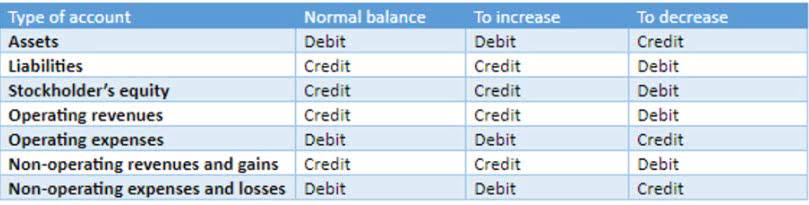
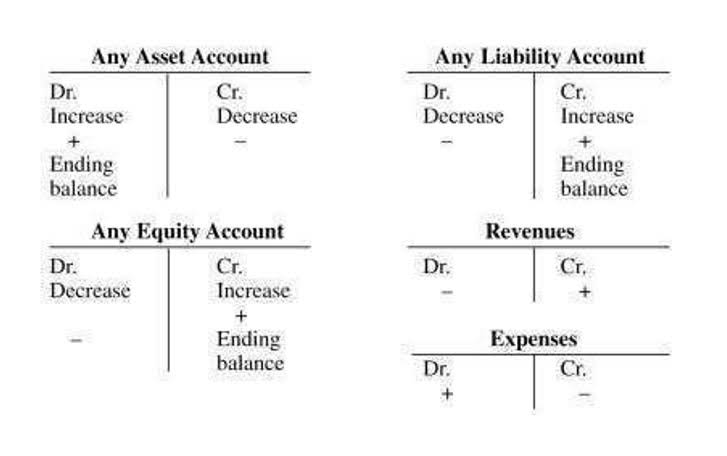
The double-entry system of bookkeeping requires a double entry for each financial transaction. The double entry system provides checks and balances by recording corresponding credit entry for each debit entry. QuickBooks makes it easy to manage your books, track expenses, and keep everything organized in one place—so you’re always ready for tax time and beyond.

Keep a Ledger

bookkeeping

Prior to computers and software, the bookkeeping for small businesses usually began by writing entries into journals. In order to reduce the amount of writing in a general journal, special journals or daybooks were introduced. The special or specialized journals consisted of a sales journal, purchases journal, cash receipts journal, and cash payments journal. If hiring a bookkeeper doesn’t fit within your budget right now, accounting software like QuickBooks can help https://www.antenna-re.info/2020/02/ you streamline and manage the basics yourself.

bookkeeping

Earn bookkeeping certifications.

  • The income statement, also called the profit and loss statement, focuses on the revenue gained and expenses incurred by a business over time.
  • Business owners can review these reports to understand how the business is performing and see its financial standing.
  • One of the best things you can do to ensure your books balance properly is to follow the three golden bookkeeping rules.
  • This is the first course in a series of four that will give you the skills needed to start your career in bookkeeping.
  • For most businesses, double-entry bookkeeping is the preferred and often required standard.

Whether you’re a seasoned bookkeeping professional or just starting out, this course is tailored to equip you with the skills needed to proficiently utilize QuickBooks. Bookkeeping provides businesses with accurate financial data, allowing them to make informed decisions. By analyzing financial records, businesses can identify areas of growth, make strategic investments, and improve their overall operations. Accurate bookkeeping provides businesses with a clear understanding of their financial health.

Accounting ledger

He’s an alumnus of Southern New Hampshire University (SNHU), where he earned both his bachelor’s in English and creative writing and his Master of Fine Arts in Creative Writing. When his head’s not in novels, you can find him outside dreaming up his own stories. The expected job decline is primarily due to cloud computing and other software innovations automating bookkeeping tasks that a person would normally do. Specializing in a career field can help to set you apart and lead to career stability and longevity. You can also expect to take on more advisory and analytical roles as bookkeeping becomes more automated. As of 2023, approximately 1.7 million people worked as bookkeeping, https://eleman-design.com/category/legal/ accounting, or auditing clerks.

Perhaps the timeline/checklist will indicate that JE33 must be submitted by the accounts payable clerk six days after each month ends. The company may also have its computer automatically prepare JE34 which is the entry that automatically reverses the previous month’s accrual entry JE33. While the balance sheet and the income statement are the most frequently referenced financial statements, the statement of cash flows or cash flow statement is a very important financial statement. Current assetsGenerally, current assets include cash and other assets that are expected to turn to cash within one year of the date of the balance sheet. Examples of current assets are cash and cash equivalents, short-term investments, accounts receivable, inventory and prepaid expenses. Under the accrual method of accounting, revenues are reported as of the date the goods are sold or the services have https://www.antenna-re.info/category/employment/page/2/ been performed.

bookkeeping

AccountingTools

bookkeeping

While you can manage your own accounting during the initial stages, it’s best to invest in a professional bookkeeper to ensure your business’s success in the long term. The specific amount of an emergency fund may depend on the size, scope, and operational costs of a given business. Regardless, work with your bookkeeper and accountant to ensure the amount of cash left in the bank is sufficient for unexpected costs. Finding the right level of cash to be kept on hand requires a proper cash flow forecast and cash monitoring. Businesses might not want to keep all cash in the bank, as having an excessive amount of cash in the bank could mean missed opportunities in investment income.

  • Bookkeepers help businesses manage their finances by monitoring different accounts, transactions, and reports.
  • Proper bookkeeping gives companies a reliable measure of their performance.
  • While a certificate is not a requirement to become a bookkeeper, some professionals pursue certification to show their skills to employers and stand out in their job search.
  • This account tracks the amount you into your business as its owner, minus any liabilities.

See details about Atomic, in their Form CRS, Form ADV Part 2A and Privacy Policy. See details about Atomic Brokerage in their Form CRS, General Disclosures, fee schedule, and FINRA’s BrokerCheck. Because of these factors, advancing your bookkeeping career to a role in accounting can be advantageous. For instance, the job outlook for accountants and auditors has a 6 percent growth rate from 2023 to 2033. The median salary for these roles is also higher than for bookkeepers at $79,880 per year 6.

How to record entries in Bookkeeping

It’s important to track your AR to ensure you receive payment from your customers on time. In this final module for Course 1, you will gain an understanding of key accounting assumptions and principles and learn about the different types of accounting methods bookkeepers use. Knowing these nine bookkeeping basics is essential for any bookkeeper to perform their job well. They apply to almost any business type and size, which makes having these basic bookkeeping skills valuable. Keeping the retained earnings account up-to-date is important for investors and lenders who need to track the company’s performance over time. Retained earnings accumulate, meaning they reflect the total amount of money retained since the company’s launch.